
Mary Kawena Pukui & the Living Language of Waikīkī
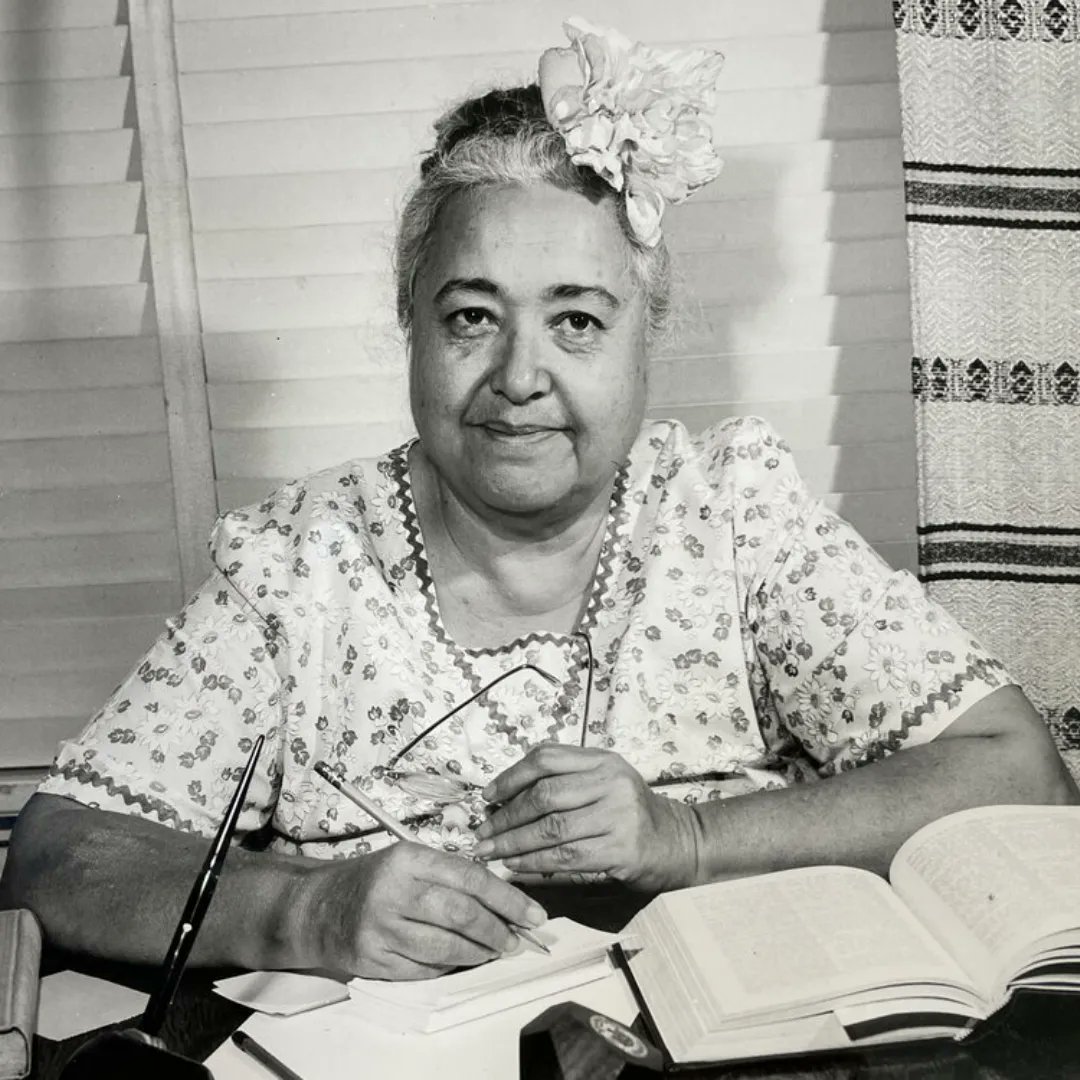
By Kyani Bateman
Mahina ʻŌlelo Hawaiʻi at the Shoreline
Mahina ʻŌlelo Hawaiʻi is more than a celebration. It is a reminder.
A reminder that language carries memory. Those words carry a worldview. When we speak ʻŌlelo Hawaiʻi, we are not just speaking; we are continuing something that almost disappeared.
And few people protected that continuation more fiercely than Mary Kawena Pukui.
The Woman Who Helped Save the Words
Mary Kawena Pukui was born in 1895, during a time when the Hawaiian language was being pushed out of schools and public life. After the overthrow of the Hawaiian Kingdom, ʻŌlelo Hawaiʻi was banned from formal education. Generations were discouraged from speaking their mother tongue.
But Pukui refused to let the language fade.
She became a scholar, translator, cultural practitioner, and one of the most important preservers of Hawaiian knowledge in the 20th century. Through decades of work, including the collection and publication of ʻōlelo noʻeau (Hawaiian proverbs and wise sayings), she safeguarded ʻike that might otherwise have been lost.
Her book ʻŌlelo Noʻeau: Hawaiian Proverbs & Poetical Sayings remains one of the most powerful cultural resources in Hawaiʻi today.
Each proverb is more than a phrase.
It is an instruction.
It is philosophy.
It is the ancestral voice.
The Beach Boys & the Proverbs of the Ocean
Mahina ʻŌlelo Hawaiʻi, several of the beach boys of Waikīkī Beach Services chose ʻōlelo noʻeau from Pukui’s collection to learn, reflect on, and share with guests along the shore.
Being a beach boy has never been just about teaching someone to stand up on a board.
It is about standing for something.
One proverb often shared is:
“He waʻa he moku, he moku he waʻa.”
The canoe is an island; the island is a canoe.
For watermen who live by tides and currents, this proverb speaks directly to responsibility. The way you move in the ocean affects everyone around you. The way you care for the land determines your future.
Another shared saying:
“ʻAʻohe pau ka ʻike i ka hālau hoʻokahi.”
Not all knowledge is taught in the same school.
This one resonates deeply in Waikīkī. Guests may arrive thinking they are here only for a surf lesson. But they often leave having learned about respect, humility, ocean awareness, and aloha.
Language teaches that. Proverbs teach that.
And the beach boys choosing to speak and share these words keeps them alive, not in a museum, but in motion.
Why Her Work Still Matters in Waikīkī
Waikīkī today is fast-paced. Global. Busy. But beneath the sound of boards hitting water and laughter on the sand, there is something older.
When instructors greet guests with aloha and mahalo, not as performance, but as genuine expression, that is language living.
When ʻōlelo noʻeau are shared between sets, or explained to curious visitors, that is ʻike continuing.
Mary Kawena Pukui ensured that Hawaiʻi would not lose its wisdom when the language was under threat. And now, it is up to each generation to speak it, honor it, and carry it forward.
Mahina ʻŌlelo Hawaiʻi is not about perfection. It is about practice. It is about intention.
And in Waikīkī, even a simple phrase can reconnect someone to the depth of this place.
For families looking for Surf schools in Waikīkī with local instructors, the experience goes beyond learning how to ride a wave. It is about learning where you are and understanding that these shores carry language, history, and meaning. Because in Waikīkī, the waves speak, and thanks to Mary Kawena Pukui, we still understand what they’re saying.