
From Helumoa to Āina Moana: Honoring Waikīkī’s Storied Shoreline on International Coastal Cleanup Day
By Brianna Johnson & Lauren Adelman
At Waikīkī Beach Services, our connection to the ocean goes far beyond the beach. It is part of who we are, and caring for the places we call home is part of our kuleana.
In celebration of International Coastal Cleanup Day, our WBS office crew stepped outside of our usual areas around Helumoa (fronting the Sheraton Waikīkī and the Royal Hawaiian) to lend a hand at Magic Island with Sustainable Coastlines Hawaiʻi. The cleanup was part of the Coastlines & Community Festival, celebrating Sustainable Coastlines Hawaiʻi’s 15th anniversary.
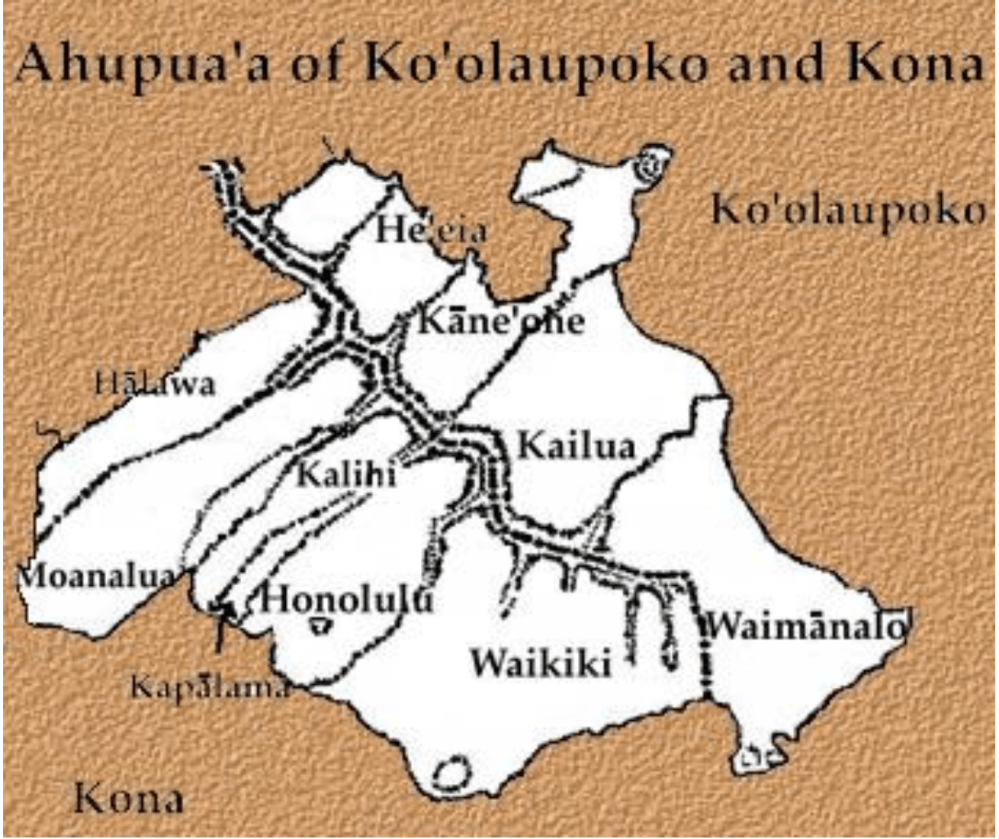
Magic Island itself is man-made — known in Hawaiian as Āina Moana, “land from the sea,” built up from reclaimed land in the 1960s. It sits just off Kālia, the westernmost ʻili (land division) of the ahupuaʻa of Waikīkī, right about where this ahupuaʻa’s original boundary meets the neighboring ahupuaʻa of Honolulu. So while Magic Island didn’t exist when these boundaries were first drawn, it off-shoots directly from that original Waikīkī shoreline — which made it especially meaningful to come together and care for this stretch of coastline, one that carries the same kuleana as Helumoa, our usual area down the beach. And we certainly weren’t the only ones who felt that way. It was incredible to see so many people show up, get to work, and spend the day taking care of the ʻāina together.
Following the recent storms Lala and Lowell, there was plenty to be cleared. Along the rocky shoreline where the water meets the harbor, volunteers worked together to gather large amounts of organic debris, including tree branches, twigs and even entire tree trunks. Piece by piece, the debris was moved to the top of the rocks to be collected and removed. Non-biodegradable waste was also gathered and separated for disposal.
While natural debris may seem harmless, larger pieces can become hazards in the water, potentially damaging boat propellers or creating dangerous conditions for surfers and other ocean users.
What stood out most was the sense of community. People who had never met before were working side by side, helping one another move heavy branches, filling bags and making the cleanup go a little further. Everyone came with the same goal: to do their part.
For our WBS team, it was a reminder that mālama ʻāina is something we can all practice, whether we’re caring for Helumoa or lending a hand a little farther down the coast in either direction, towards Kapua, or along Kawehewehe, Kālia and Āina Moana.
Mahalo to Sustainable Coastlines Hawaiʻi and everyone who came out to care for our coastline. We’re proud to be part of a community that continues to show up for the ʻāina, the ocean and the people who call Hawaiʻi home.
Glossary:
Land Divisions
- Ahupuaʻa — a traditional land division running from the mountains to the sea, named for the ahu (stone altar) once topped with a carved puaʻa (pig image) marking its boundary. Waikīkī was itself one ahupuaʻa, within the larger moku (district) of Kona on Oʻahu.
- ʻIli (ʻili ʻāina) — the smaller named land sections that make up an ahupuaʻa. Waikīkī’s ahupuaʻa was divided into several of these along the shoreline.
Place Names of Waikīkī
- Kālia — the ʻili at the ʻEwa (western) end of Waikīkī, near today’s Fort DeRussy and Ala Wai Boat Harbor — the traditional land directly adjacent to where Magic Island was later built out into the water.
- Āina Moana — the Hawaiian name for Magic Island, meaning “land from the sea,” referencing its origin as man-made, reclaimed land.
- Kawehewehe — a traditional healing spot along the shore between Kālia and Helumoa, near today’s Halekulani and Gray’s Beach; the name comes from wehe, “to remove or undo,” for its reputation as a place where afflictions could be washed away.
- Helumoa — the ʻili fronting today’s Sheraton Waikīkī and Royal Hawaiian Hotel, home to a storied royal coconut grove said to trace back to the 16th-century chief Kākuhihewa.
- Kapua — the ʻili toward the Diamond Head end of Waikīkī, in the vicinity of today’s Diamond Head Beach and Kaimana Beach.